
The Joy of Gathering: Why Play Matters
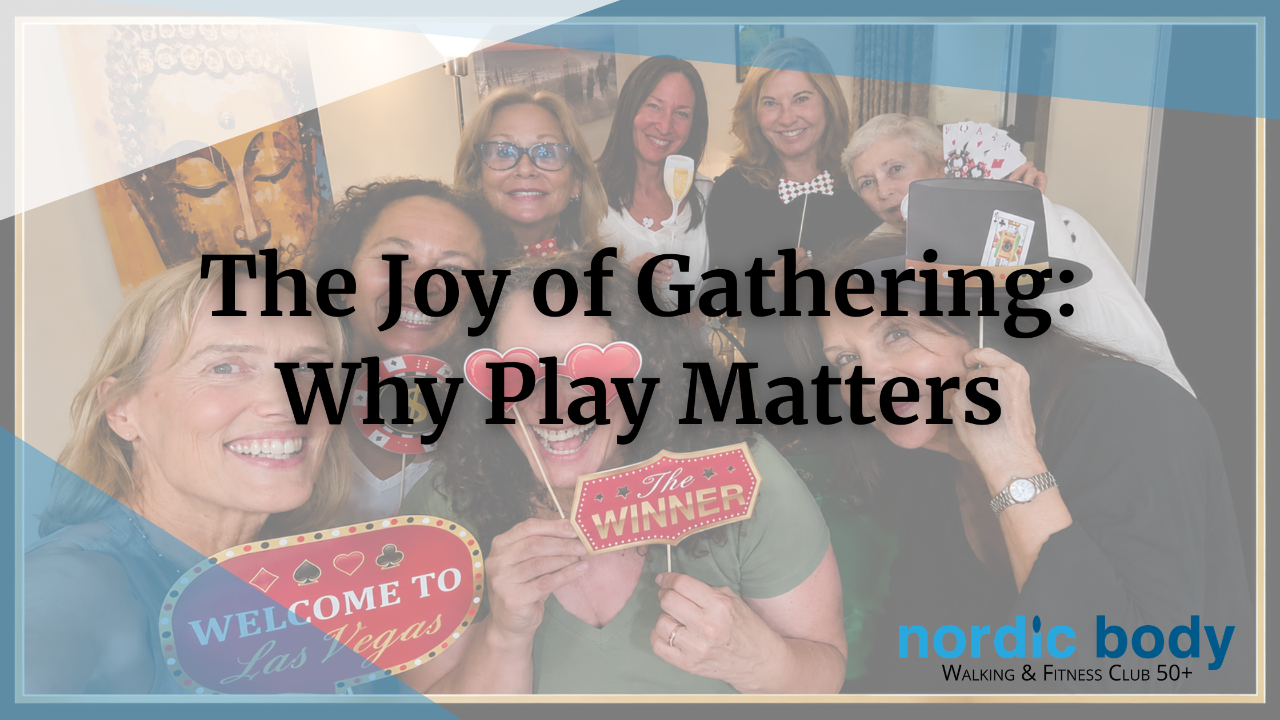
Last night, I spent the evening with my poker ladies. There was laughter, friendly competition, storytelling, and plenty of moments that left us smiling long after the cards were put away.
It reminded me of something I heard during an interview on AirTalk with Piera Gelardi, author of The Playful Way. She spoke about what she calls a "play recession"—a growing absence of play in adult life—and the impact it's having on our well-being.
Somewhere along the way, many of us learned that play is something we leave behind in childhood. As adults, we're expected to be productive, responsible, and focused. Play is often viewed as frivolous or unimportant, something to squeeze in only after all the "real" work is done.
But research tells a different story.
Play is not the opposite of productivity. In many ways, it's the fuel that helps us thrive. Play stimulates creativity, strengthens problem-solving skills, builds resilience, and helps reduce stress. It supports both physical and mental health while creating opportunities for meaningful social connection.
When we stop making time for play, we often experience the consequences without realizing it. We feel more isolated, more exhausted, and less joyful. Life becomes a series of obligations rather than experiences to be enjoyed.
That's why evenings like my poker night matter.
It's not just about the cards. It's about connection. It's about laughter. It's about being fully present with people who energize and uplift you. Those moments help keep our minds sharp and our spirits strong. They remind us that joy isn't something reserved for special occasions—it can be woven into everyday life.
Play looks different for everyone. For some, it's a card game with friends. For others, it might be dancing, gardening, hiking, painting, playing music, trying a new hobby, or simply being silly with grandchildren.
The important thing isn't what form it takes. The important thing is making space for it.
As we age, maintaining our health isn't just about exercise, nutrition, and medical care. It's also about nurturing the experiences that make life meaningful. Playfulness is one of the most powerful—and most overlooked—tools we have for supporting our overall well-being.
So here's a question worth considering:
What does play look like in your life?
Whatever your answer, don't underestimate its value. Joy, laughter, curiosity, and connection aren't luxuries. They're essential ingredients for a healthy, vibrant life.
And if a few hours around a poker table can provide all of that, I'd call that time very well spent.
